The Most Effective Fat Loss Training Methods
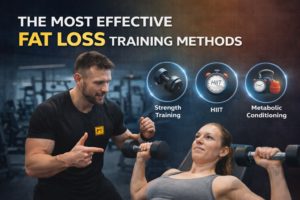
Fat loss is one of the most common goals for people who start exercising. However, many individuals struggle because they follow random workouts without understanding which training methods actually burn fat effectively.
The most effective fat loss strategies combine strength training, metabolic conditioning, and consistent training structure. When applied correctly, these methods help reduce body fat while maintaining muscle and improving overall fitness.
Professional coaching systems often emphasize discipline, strategy, and consistency as the foundation of long-term body transformation.
zack_fitness_personal_trainer_d…
1. Strength Training for Fat Loss
Strength training is one of the most powerful tools for reducing body fat.
Many people incorrectly believe that fat loss comes primarily from cardio. In reality, resistance training increases muscle mass, which helps the body burn more calories even at rest.
Benefits of Strength Training
• increases metabolic rate
• preserves muscle during fat loss
• improves body composition
• supports long-term fat loss
Effective Strength Exercises
The most effective exercises for fat loss are compound movements, which activate multiple muscle groups at once.
Examples include:
• Squats
• Deadlifts
• Bench press
• Pull-ups
• Lunges
These exercises require more energy and stimulate greater metabolic activity compared to isolation exercises.
2. High-Intensity Interval Training (HIIT)
HIIT is one of the most popular fat loss training methods.
It involves alternating short periods of intense exercise with brief recovery periods.
Example HIIT workout:
• 30 seconds sprint
• 30 seconds rest
• repeat for 10–15 rounds
Why HIIT Works
HIIT increases calorie burn during training and also triggers excess post-exercise oxygen consumption (EPOC), which means the body continues burning calories after the workout.
Benefits include:
• high calorie burn in short time
• improved cardiovascular fitness
• efficient workouts for busy individuals
3. Metabolic Resistance Training
Metabolic resistance training combines strength exercises with minimal rest between sets.
Instead of performing one exercise and resting for long periods, workouts include circuits or supersets.
Example:
• Squats
• Push-ups
• Dumbbell rows
• Lunges
All performed consecutively with short rest intervals.
Advantages
• burns more calories during workouts
• increases heart rate
• builds strength while improving conditioning
This training style is commonly used in professional fat loss programs.
4. Progressive Overload
One of the most overlooked principles in fat loss training is progressive overload.
Progressive overload means gradually increasing:
• weight lifted
• number of repetitions
• training volume
• workout intensity
Without progression, the body adapts and fat loss slows down.
Structured programs ensure that each week introduces small improvements in workload, leading to continuous progress.
5. Consistency and Training Frequency
Even the best training methods will not produce results without consistency.
Effective fat loss programs typically include:
• 3–5 training sessions per week
• balanced strength and conditioning workouts
• long-term structured programming
The most successful body transformations happen when training becomes a consistent lifestyle habit rather than a temporary effort.
Common Fat Loss Training Mistakes
Many people struggle with fat loss because they make common mistakes.
Too Much Cardio
Excessive cardio without strength training can lead to muscle loss and slower metabolism.
Random Workouts
Switching workouts every session without structure prevents measurable progress.
Lack of Recovery
Overtraining without proper recovery can reduce performance and slow fat loss.
Who Benefits Most from Structured Fat Loss Training?
Structured fat loss programs are particularly helpful for people who:
• want to lose body fat efficiently
• struggle with motivation or consistency
• want to improve body composition
• want professional guidance for workouts and nutrition
Personalised coaching systems combine training structure with lifestyle habits to produce sustainable results.
Conclusion
The most effective fat loss training methods combine strength training, HIIT, metabolic conditioning, and progressive overload.
Rather than relying on random workouts or excessive cardio, structured programs focus on building muscle, increasing metabolic activity, and maintaining consistent training habits.
When applied consistently, these methods help individuals achieve sustainable fat loss and long-term improvements in health and fitness.
FaQ
What is the most effective workout for fat loss?
The most effective workouts combine strength training and high-intensity interval training, which increase calorie burn and preserve muscle mass.
Is strength training good for fat loss?
Yes. Strength training increases metabolism and helps maintain muscle while reducing body fat.
How many workouts per week are best for fat loss?
Most effective fat loss programs include 3–5 structured workouts per week.
Is HIIT better than cardio for fat loss?
HIIT is often more efficient because it burns calories quickly and increases post-exercise calorie expenditure.